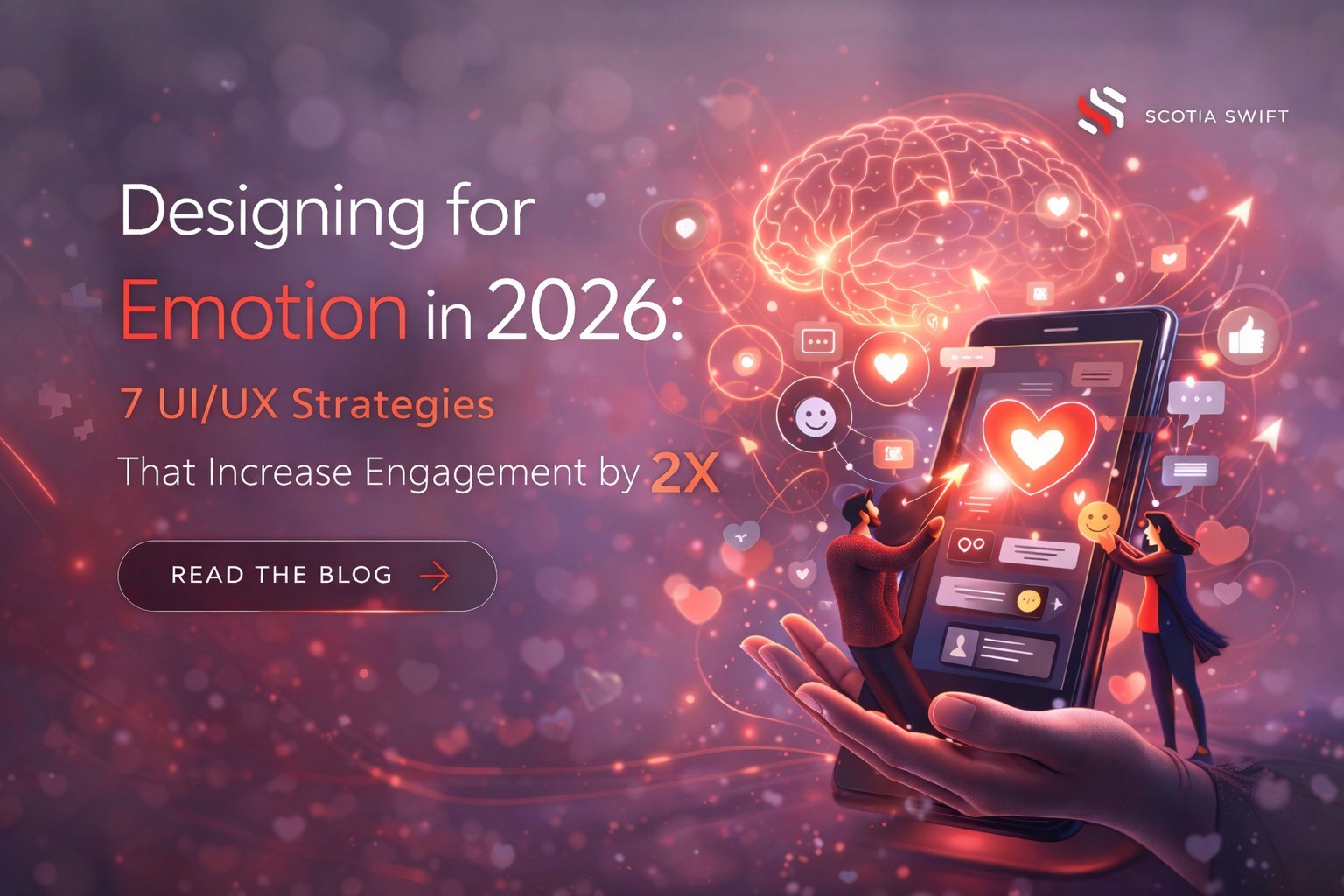
7 Emotional UX Strategies to Boost Engagement 2026
Blog
Human-Centered Design as a Business Growth Strategy
In 2026, digital products are no longer competing only on features or pricing. They compete on experience — specifically, how they make users feel. Whether it’s a SaaS dashboard, fintech app, healthcare portal, or eCommerce platform, emotional design has become a defining factor in engagement, retention, and long-term profitability.
Accoroding to Scotia swift Businesses investing in UI/UX Design Services in Canada are increasingly recognizing that emotional intelligence in design directly impacts customer loyalty and revenue growth.
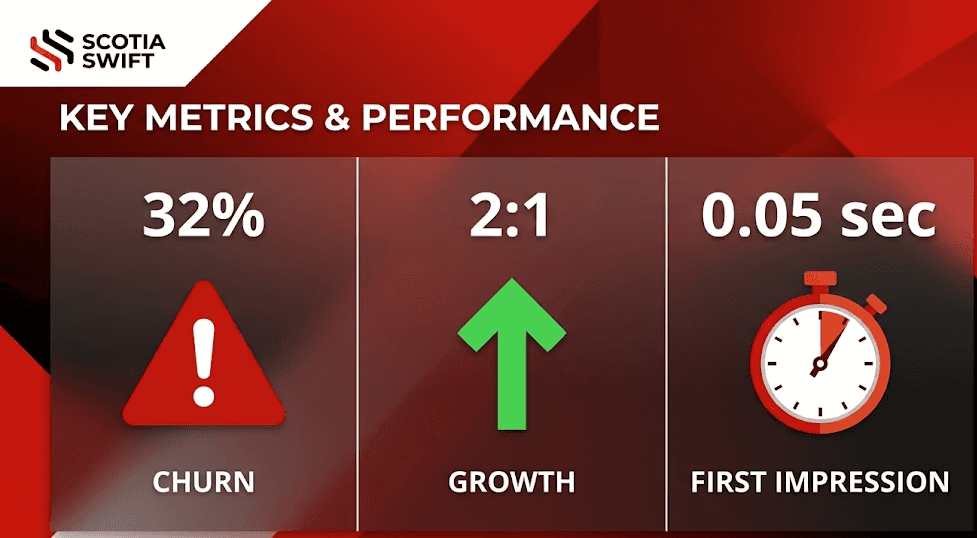
Customers today expect intuitive, seamless, and personalized interactions. According to PwC’s customer experience research, 32% of customers will stop doing business with a brand they love after just one bad experience. Meanwhile, McKinsey reports that companies that prioritize design outperform industry peers by nearly 2:1 in revenue growth.
Consult Now
The message is clear: emotionally intelligent UI/UX is no longer optional. It is strategic infrastructure.
Planning to redesign your SaaS or mobile app?
Get a Free UI/UX Strategy Call
Emotional Design
Emotional design is the practice of creating digital experiences that intentionally evoke feelings such as trust, joy, or confidence to improve engagement and retention.
The Evolution of UI/UX: From Usability to Emotional Intelligence
Traditional UX design focused primarily on usability — ensuring users could complete tasks efficiently and without confusion. While usability remains essential, modern digital experiences must go further.
In 2026, high-performing products aim to:
Reduce cognitive friction
Build trust instantly
Evoke positive emotional responses
Create moments of delight
Establish long-term psychological connection
Research from the Nielsen Norman Group shows users form an opinion about a website in as little as 0.05 seconds. That first emotional impression influences whether they stay, explore, or leave.
Forward-thinking teams — including every leading Dartmouth UI/UX Design Company — now prioritize emotional impact alongside usability.
Engagement begins emotionally — not logically.
Did You Know?
|
Understanding Emotional Design
Emotional design focuses on crafting digital experiences that intentionally trigger feelings such as trust, joy, security, confidence, or belonging.
It operates across three levels:
Visceral – Immediate visual appeal (colors, layout, imagery)
Behavioral – Functional ease and interaction quality
Reflective – Long-term meaning and brand association
Successful digital products in 2026 address all three simultaneously.
As a growing Nova Scotia UX Design Agency, many firms now integrate behavioral psychology directly into product strategy to create deeper engagement.
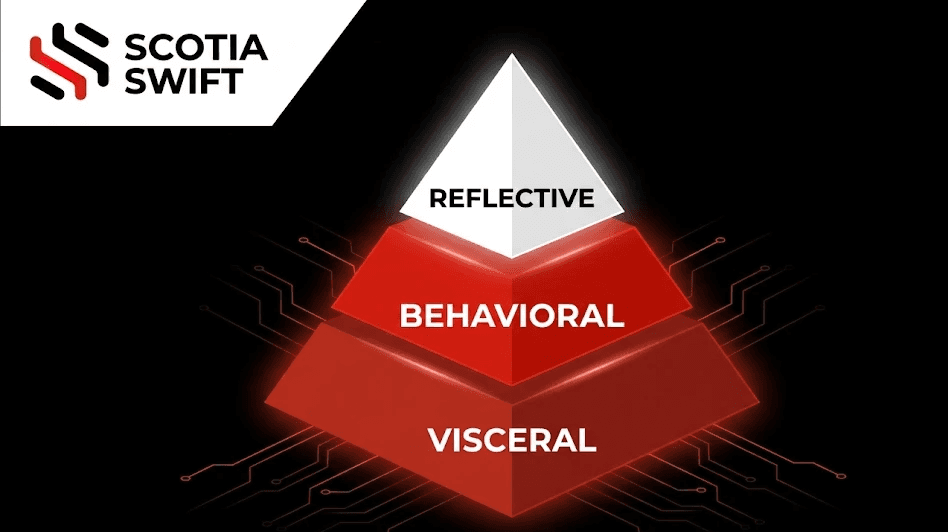
Successful digital products in 2026 address all three simultaneously.
Why Emotion Directly Impacts Engagement
Human decision-making is deeply emotional. Behavioral science suggests that the majority of purchasing decisions happen subconsciously. Emotional triggers influence:
Click-through behavior
Time on site
Conversion rates
Brand loyalty
Product stickiness
Google and Motista research found that emotionally connected customers have significantly higher lifetime value and are more likely to recommend brands.
When users feel understood and supported, they engage more deeply.
Modern digital leaders — including top-tier Dartmouth UI/UX Design Company teams — focus on trust-driven interface systems that strengthen these emotional connections.
Core Principles of Human-Centered Design in 2026
Human-centered design (HCD) prioritizes real user needs, motivations, and emotional states. Instead of asking, “What features should we build?” teams ask:
What problem is the user trying to solve?
What frustration are they experiencing?
What emotional outcome are they seeking?
This shift from product-first thinking to user-first thinking drives meaningful innovation.
Key pillars include:
Empathy-driven research
Inclusive design practices
Data-informed iteration
Continuous usability testing
A performance-driven Nova Scotia UX Design Agency understands that design must be measurable and tied to engagement metrics.
Design becomes a measurable growth lever rather than a creative afterthought.
Emotional Design Strategies That Increase Engagement
1. Micro-Interactions That Create Delight
Small animations, feedback cues, and responsive transitions enhance emotional satisfaction. A subtle button animation, a friendly confirmation message, or smooth scrolling can significantly improve perceived quality.
These details reduce uncertainty and make interfaces feel alive.
Business impact:
Lower bounce rates
Higher session duration
Increased user satisfaction
2. Personalization as an Emotional Connector
Personalization is one of the strongest drivers of emotional engagement. Research indicates that consumers are far more likely to engage with brands offering relevant, personalized experiences.
In 2026, personalization extends beyond product recommendations. It includes:
Adaptive dashboards
Context-aware content
Intelligent onboarding flows
AI-driven layout adjustments
When users feel recognized, they feel valued.
3. Reducing Cognitive Load
Overcomplicated interfaces create anxiety. Cognitive load theory suggests that when users are overwhelmed, they disengage.
Designers reduce cognitive strain by:
Using clear visual hierarchy
Simplifying navigation
Applying progressive disclosure
Eliminating unnecessary elements
Simplified interfaces increase clarity, and clarity increases confidence.
4. Trust-Centered UI Elements
Trust is emotional currency — especially in fintech, healthcare, and SaaS platforms.
Trust-building design includes:
Transparent pricing and Policies
Clear privacy Communication
Visible Security Indicators
Consistent Branding
Trust-driven design increases both acquisition and retention.
5. Storytelling Through UX
Narrative-based onboarding improves adoption and engagement. Guided tutorials, interactive walkthroughs, and milestone celebrations make users feel supported rather than confused.
When users understand their progress, they experience momentum.
Momentum increases product stickiness.
Measurable Business Benefits of Emotion-Driven UX
Emotionally intelligent design delivers tangible results.
Higher Conversion Rates
Clear calls-to-action, intuitive flows, and frictionless navigation encourage users to take action.
Increased Retention
Satisfied users are less likely to churn and more likely to upgrade.
Greater Customer Lifetime Value (CLV)
Emotionally engaged users tend to:
Spend more
Refer others
Remain loyal long term
Greater Customer Lifetime Value (CLV)
Emotionally engaged users tend to:
Spend more
Refer others
Remain loyal long term
Traditional UX | Emotional UX |
Focus on usability | Focus on feeling + usability |
Functional design | Human-centered design |
Task completion | Experience delight |
Efficiency-driven | Engagement-driven |
Competitive Differentiation
Features can be replicated. Emotional experience cannot. Brands that invest in meaningful UI/UX stand out in saturated markets.
UI/UX Trends Driving Engagement in 2026
AI-Powered Adaptive Interfaces
Artificial intelligence now personalizes layouts and recommendations dynamically, reducing decision fatigue and increasing relevance.
Conversational Interfaces
Voice and chat-based interfaces humanize digital interactions and simplify complex workflows.
Inclusive & Ethical Design
Accessible design broadens market reach while ethical UX practices build long-term trust.
Emotion-Aware Analytics
Advanced UX analytics tools identify frustration signals like rage clicks or hesitation patterns, allowing real-time optimization.
“People ignore design that ignores people.” – Frank Chimero
Implementing Emotional Design in Your Organization
Step 1: Map Emotional Journeys
Identify emotional highs and lows throughout the user journey.
Step 2: Align Design With KPIs
Connect emotional design improvements to measurable outcomes such as:
Engagement rate
Conversion rate
Retention rate
Net Promoter Score (NPS)
Step 3: Foster Cross-Team Collaboration
Design, product, marketing, and analytics teams must work together.
Step 4: Continuously Test and Optimize
A/B testing micro-interactions, layouts, and messaging improves results incrementally.
The Future of Emotion-Centered UX
The next evolution of UI/UX will integrate:
Real time Personalisation
Predictive AI recommendations
Behavioral Psychology Insights
Seamless Phenomenal Experiences
Designing for emotion is no longer about aesthetics. It is about building intelligent, empathetic digital ecosystems.
Case Study: Canadian SaaS Platform
Before redesign: 3.2% conversion
After emotional UX update: 6.8%
Result: 112% increase in sign-ups
FAQ
1.What is emotional design in UI/UX?
Emotional design is the practice of creating digital experiences that intentionally evoke feelings like trust, joy, and confidence to improve user engagement and retention.
2.How does UX impact conversion rate?
Good UX reduces friction, simplifies navigation, and builds trust — making users more likely to complete actions like signing up, purchasing, or booking a consultation.
3. What is cognitive load in design?
Cognitive load refers to the mental effort required to use a product. Simple layouts, clear hierarchy, and minimal distractions reduce cognitive load and improve user experience.
4. Why is personalization important in SaaS?
Personalization increases relevance by adapting content, dashboards, or recommendations to user behavior — improving engagement, retention, and lifetime value.
5. How much does a UX redesign cost?
UX redesign costs vary based on product complexity, features, and research depth. For SaaS or mobile apps, it typically depends on scope, user flows, and required testing.
Conclusion
In 2026, engagement is emotional before it is functional.
Organizations that prioritize human-centered design and emotional intelligence in UI/UX achieve stronger engagement, higher retention, and sustainable revenue growth.
When users feel understood, supported, and confident, they return.
And in today’s competitive digital economy, loyalty is the ultimate business advantage.
Let’s design an emotionally intelligent product that increases engagement.
Scotia Swift
Website | Instagram | Facebook | Whatsapp |
Book Now